
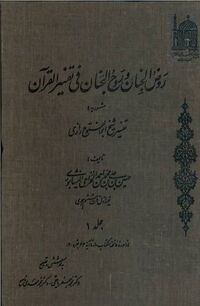
In addition to his theological insights, al-Razi’s jurisprudential contributions merit considerable attention. His interpretations of Islamic law are marked by a distinctive pragmatic approach. He emphasizes the need to adapt legal rulings to the evolving socio-political landscape, urging scholars to consider the underlying principles rather than relying solely on textual literalism. This adaptability presents a challenge; how can one ensure that the original spirit of Islamic law is preserved while allowing for contemporary relevance? Such queries are essential for the progress of Islamic jurisprudence within the Shia tradition.
Al-Razi’s method of engaging with previous scholarship also exemplifies a critical approach to Islamic knowledge. He often cites earlier scholars, both Shia and Sunni, to highlight areas of consensus and divergence. By adopting this dialectical method, he not only enriches his own arguments but also offers a model for constructive discourse. This interplay of ideas raises a provocative thought: In what ways can modern scholars follow al-Razi’s example to bridge the gap between varying interpretations within the Muslim community?
Furthermore, al-Razi’s exposition on ethical conduct reflects a profound understanding of human psychology and social dynamics. He emphasizes virtues such as honesty, humility, and compassion as cornerstones of a fulfilling life. His reflections challenge adherents: How can one embody these ideals in a world rife with distractions and moral ambiguities? Al-Razi’s teachings serve as a guiding light, encouraging introspection and genuine self-improvement among followers.
