
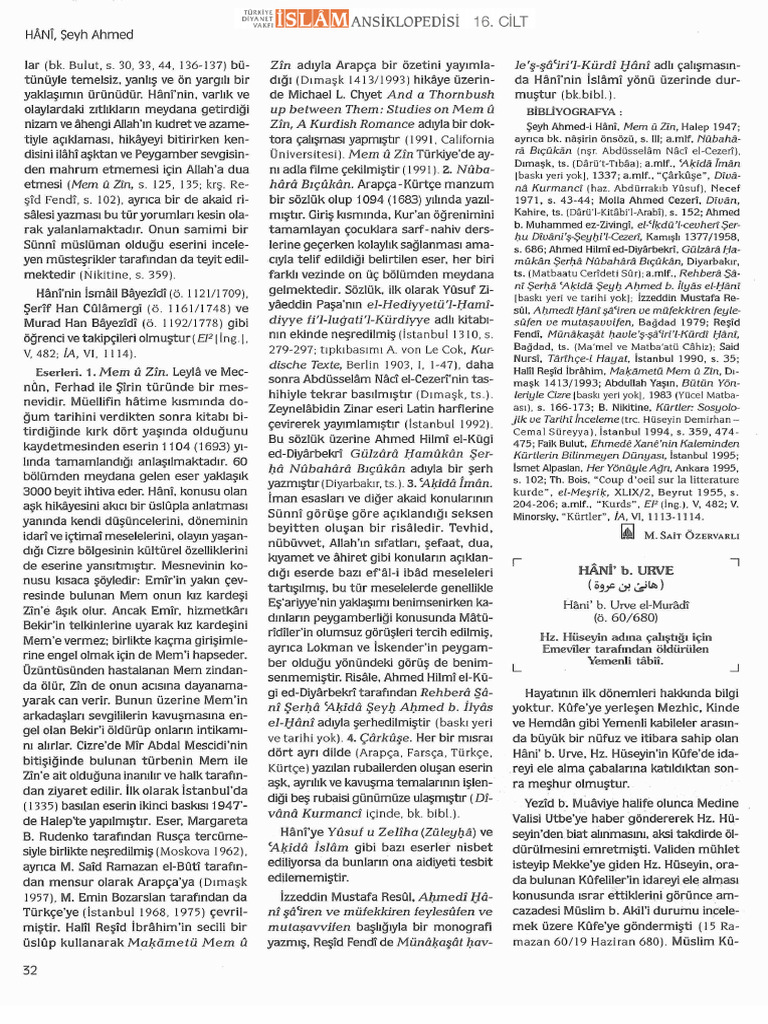
Hani b. Urwa is a distinguished figure in Shia Islam, revered for his unwavering commitment to the teachings of the Ahl al-Bayt and his significant role during the formative years of the Islamic community. His life and contributions present a wealth of insights into Shia beliefs, ethics, and historical developments. This article delves into the multifaceted dimensions of Hani b. Urwa’s teachings, encapsulating his piety, political activism, and the broader implications of his legacy within Shia thought.
Hani b. Urwa was born into the distinguished lineage of the Banu Murad tribe and is highly regarded for his profound faith and scholarly acumen. Renowned for his integrity, he was a trusted companion of Imam Ali and later Imam Hussein, thus affirming his critical role within the context of early Islamic history. The teachings attributed to Hani are not merely confined to theological discourse; they intersect with ethical considerations and provide a paradigm for righteous conduct in various spheres of life.
One of the pivotal teachings of Hani b. Urwa is the emphasis on loyalty ('wala') to the rightful leaders of the Muslim community. This concept is integral to Shia theology, which posits that the Prophet Muhammad’s family, particularly the Imams, are appointed by divine will to guide the community. Hani's unwavering allegiance to Imam Ali, especially during tumultuous periods, epitomizes the Shia belief that true leadership is derived from both spiritual and familial connections. His loyalty not only reflects his personal convictions but also serves as a call to the Shia adherents to foster a deeper understanding of authority and governance.
Furthermore, Hani's political engagements underscore the interplay between ethics and governance in Shia thought. He was an active participant in the socio-political landscape of his time, often advocating for justice and righteousness. The moral imperative to stand against tyranny is vividly illustrated in Hani’s opposition to the Umayyad regime, which he viewed as a perversion of Islamic principles. His denouncement of injustices committed against the followers of the Ahl al-Bayt highlights the necessity of moral courage in the face of oppression—a recurring theme in Shia narratives.
In addition to political activism, Hani b. Urwa’s teachings also traverse the realm of spiritual development and personal ethics. His life exemplifies the significance of inner piety ('tazkiyah') and the quest for personal betterment. Hani emphasized the importance of self-reflection, humility, and dedication to prayer as essential components in the pursuit of spiritual fulfillment. This holistic approach to ethics encourages Shia Muslims to not only engage in communal and political activities but also to cultivate their inner lives through devotion and ethical conduct.
Moreover, Hani b. Urwa’s teachings elucidate the importance of knowledge ('ilm') within the Shia framework. He embodied the belief that acquiring knowledge is not merely an intellectual endeavor but a spiritual obligation. This perspective is particularly relevant in contemporary discussions regarding the role of education in promoting social justice and moral responsibility. The legacy of Hani propels Shia scholars and adherents toward a rigorous engagement with both religious texts and contemporary societal issues, reinforcing the belief that Islamic teachings must be dynamically interpreted in light of changing realities.
Hani’s teachings also resonate with themes of martyrdom and sacrifice, particularly in the context of the tragic events surrounding Ashura. His steadfast support for Imam Hussein during the Battle of Karbala epitomizes the valor and resilience required of believers when confronted with existential threats. The concept of martyrdom is not confined to physical death; rather, it is an ongoing commitment to truth and justice, urging followers to uphold their values, even in adverse conditions. This perspective fosters a sense of collective identity among Shia Muslims, who view the martyrs not only as historical figures but as eternal symbols of resistance against tyranny.
Additionally, it is imperative to recognize the community-oriented essence of Hani b. Urwa’s teachings. His legacy emphasizes unity and cohesion within the Shia community, advocating that collective action is necessary for achieving justice and righteousness. The sense of brotherhood ('brotherhood of faith') advocated by Hani encourages Shia Muslims to collaborate across sectarian divides, embracing inclusivity in their advocacy for social change.
Finally, Hani b. Urwa's life story and teachings serve as a bridge between the past and the present for Shia Muslims. His exemplary character and actions provide a model for contemporary followers who strive to navigate the complexities of modern life while remaining committed to their faith. The teachings of Hani advocate for a balance between spiritual pursuits and active engagement in the world, urging believers to create a just society rooted in the principles of equity established by the Imams.
In conclusion, Hani b. Urwa’s multifaceted legacy enriches the tapestry of Shia teachings, encompassing loyalty, ethical leadership, spiritual development, knowledge, martyrdom, and community cohesion. His life and principles serve as a vital resource for Shia Muslims, encouraging adherence to the teachings of the Ahl al-Bayt while actively engaging in the quest for justice and moral integrity in contemporary society. The enduring relevance of Hani’s teachings invites readers to reflect on their values, inspiring a commitment to living a life reflective of the principles he so fervently championed.
