
Short Answer
Shia teachings encompass a vast array of literature, infused with theological insights and historical contexts. Among these, “Tanbih al-Khawatir wa Nuzhat al-Nawazir” holds a significant place, as it artfully delineates crucial elements of Shia scholarship. This comprehensive exploration delves into the multifaceted content of this work, covering its thematic depth, relevance, and the literary techniques employed by the author.
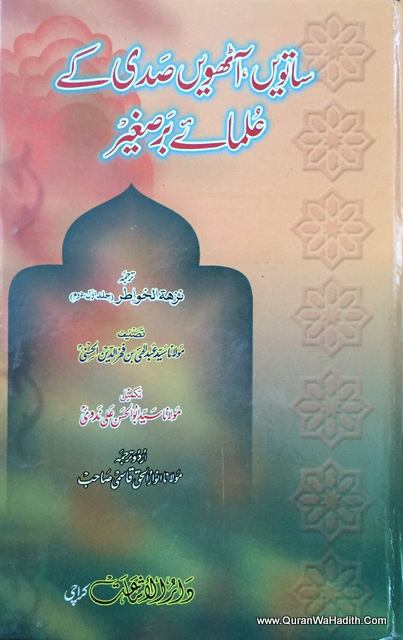
The title “Tanbih al-Khawatir wa Nuzhat al-Nawazir” translates to “The Reminder of Thoughts and the Joy of Gazes.” This duality encapsulates the purpose of the book: to awaken the readers’ cognitive faculties while simultaneously offering solace and edification in their spiritual journeys. Such an endeavor is rooted in the rich traditions of Imamiyah Shia thought, which merge intellectual rigor with piety.
1. Historical Context
To fully appreciate the teachings presented in this book, it is vital to understand the historical milieu in which the author, Maulana Abdul Hai Luckhnawi, operated. The 18th-19th centuries were pivotal in the establishment of modern Shia thought, characterized by a surge in intellectual movements and a burgeoning interest in rational discourse. Luckhnawi, responding to the zeitgeist, incorporates historical narratives and anecdotes to contextualize theological matters, providing readers with a deep understanding of their significance across time.
2. Structure and Organization
The literary structure of “Tanbih al-Khawatir wa Nuzhat al-Nawazir” is meticulously organized, comprising several volumes—each replete with diverse topics that interlace various domains of Shia scholarship. The text includes discussions on theology, ethics, history, and exegesis, ensuring that readers traverse a comprehensive intellectual landscape. This systematic outline enhances the reader’s ability to navigate complex ideas and encourages introspection at every step.
3. Theological Foundations
At the heart of the book lies a rich theological discourse that grapples with core Shia principles, including prophethood, imamate, and the role of the community. The author delves into the intricacies of these doctrines, drawing from Islamic texts and commentaries, which elucidates the nuanced differences between Shia and Sunni beliefs. Readers can expect an articulation of the significance of the Ahl al-Bayt, emphasizing their exalted status in the Shi’i faith, and exploring how this veneration shapes the moral and spiritual dispositions of the faithful.
4. Ethical Discourses
An essential component of Shia teachings is the emphasis on ethical conduct, which is thoughtfully interwoven throughout the volumes. “Tanbih al-Khawatir wa Nuzhat al-Nawazir” engages with various ethical considerations, urging readers to embody virtues such as justice, humility, and compassion. Each ethical discussion is not merely prescriptive; instead, it is enriched with practical illustrations and historical examples from the lives of revered Shia figures, allowing readers to draw parallels and seek inspiration.
5. Literary Style and Rhetoric
The literary finesse of Luckhnawi cannot be overlooked. His prose is characterized by eloquence, employing a rich tapestry of metaphors and classical Arabic rhetoric. This style not only captivates readers but also invites them into a deeper engagement with the content. The careful choice of vocabulary, combined with rhythmic cadences in the narrative, amplifies the emotional resonance of the teachings presented, making the text both a spiritual guide and a literary work of art.
6. Spiritual Journeys and Mysticism
Integral to the discourse in “Tanbih al-Khawatir wa Nuzhat al-Nawazir” is the mystical dimension of Shia thought. The author explores the spiritual paths available to seekers of truth, accentuating the importance of developing a profound relationship with the divine. Through meditative practices and reflections, readers are encouraged to embark on an inner journey that reinforces their faith and nurtures their spiritual well-being—an invitation to experience the unseen dimensions of existence.
7. Influence and Reception
The impact of “Tanbih al-Khawatir wa Nuzhat al-Nawazir” is discernible in various educational institutions and among scholars of the Shia tradition. Its thoughtful engagement with theological debates and ethical dilemmas has rendered it a pivotal point of reference for students and practitioners alike. As such, the text has not only broadened the intellectual horizons of its readers but has also played a significant role in cultivating a robust Shia identity amidst a diverse Islamic landscape.
8. Conclusion
In summary, “Tanbih al-Khawatir wa Nuzhat al-Nawazir” serves as a profound reservoir of knowledge within Shia teachings. Through its historical context, systematic structure, and engaging prose, the work encapsulates the essence of Shia thought—marrying intellect with spirituality. Readers encountering this text will undoubtedly find themselves enriched, inspired, and compelled to delve deeper into the intricate tapestry of Shia beliefs and practices. Maulana Abdul Hai Luckhnawi’s magnum opus remains a cornerstone of Shia scholarship, urging subsequent generations to continue the pursuit of knowledge and enlightenment.
FAQ
What is Tanbih al-Khawatir wa Nuzhat al-Nawazir?
It is a significant Shia scholarly work by Maulana Abdul Hai Luckhnawi that explores various aspects of Shia thought, including theology and ethics.
Who is the author of Tanbih al-Khawatir wa Nuzhat al-Nawazir?
The author is Maulana Abdul Hai Luckhnawi, who wrote this important text during the 18th-19th centuries.
What themes are covered in this book?
The book covers historical context, theological foundations, ethical discourses, literary style, mysticism, and its influence on Shia scholarship.
Leave a Reply