
Madarik al-ahkam fi sharh sharayi al-Islam

In the intricate tapestry of Islamic scholarship, few texts command the attention and reverence elicited by “Madarik al-ahkam fi sharh shara’i’ al-Islam.” This significant work, a magnum opus in the realm of jurisprudence, provides a profound elucidation of the principles governing Islamic law and morality from a Shia perspective. Engaging with this text invites an […]
Read More →

Vienna Imam Ali (a) Islamic Center

In the heart of Vienna, the Imam Ali (a) Islamic Center serves as a pivotal institution for the Shia Muslim community, embodying theological, cultural, and social dimensions essential for both the adherents and the broader society. This center provides an avenue for exploring Shia teachings and nurturing a deeper understanding of Islamic principles rooted in […]

Read More →

Muslim Womens Dress

In the intricate tapestry of Islamic teachings, the philosophy surrounding Muslim women’s dress occupies a significant and multifaceted place, particularly within Shia Islam. The guidelines pertinent to modesty, known as hijab, serve not merely as a set of sartorial rules but as a reflection of a woman’s spiritual and societal identity. Below, we shall delve […]

Read More →

Tafdil Amir al-Muminin

Shia Islam represents a profound and intricate branch of the broader Islamic faith, with its own unique interpretations and teachings. Central to Shia belief is the exalted status of Amir al-Mu’minin, or the Commander of the Faithful, a title most prominently attributed to Imam Ali ibn Abi Talib. This figure embodies a comprehensive paradigm of […]

Read More →

Dhi l-Qada

Dhi l-Qada, the twelfth month of the Islamic lunar calendar, holds significant theological and cultural importance within Shia Islam. This month is not only a time for worship and reflection but also features a plethora of distinct observances that embody the essence of Shia beliefs. Understanding the multifaceted aspects of Dhi l-Qada can contextualize the […]

Read More →

Migration to Abyssinia

The historical narrative surrounding the migration to Abyssinia, or present-day Ethiopia, illuminates the resilience of the early Shia Muslim community. This migration, which transpired during the onset of Islam, serves as a poignant testament to the trials and tribulations faced by the followers of the Prophet Muhammad. This discussion delves into the broader implications of […]

Read More →

Tuhaf al-uqul (book)

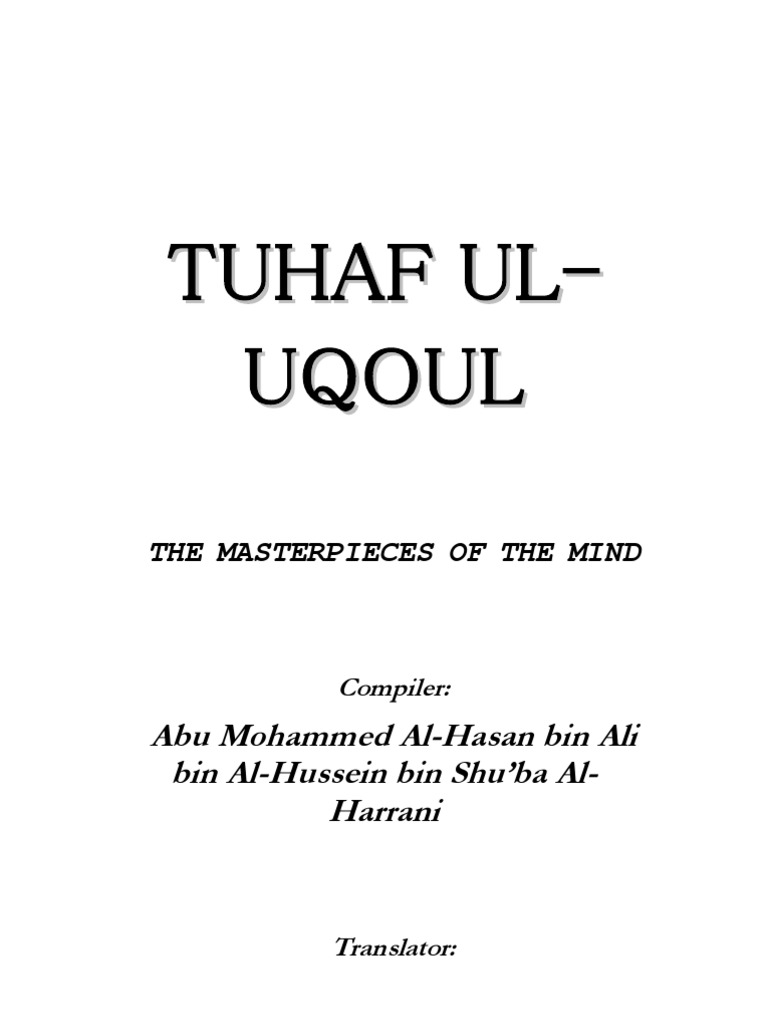
The sphere of Islamic literature is replete with texts that elucidate the intricate tapestry of religious doctrine, spirituality, and the life of the Prophets. Among these texts, one of the most significant works within Shia scholarship is the “Tuhaf al-Uqul” (The Marvels of the Minds). This seminal book, which delves into and compiles various narrations […]

Read More →

Asem b. Abi l-Najud

In the intricate tapestry of Islamic heritage, Asem b. Abi l-Najud emerges as a pivotal figure, particularly within Shia teachings. His life and contributions exemplify the profound legacies that have shaped spiritual discourse. This exploration of Asem b. Abi l-Najud invites a reassessment of traditional narratives, offering an opportunity to delve deeper into Shia epistemology […]

Read More →

Asharites

The convergence of Shia Islam and Asharite philosophy presents a fascinating study in theological discourse and contentious debates on epistemology, divine attributes, and human agency. While the Asharites emerged as a distinct theological school within Sunni Islam, their interactions with Shia thought reveal an intricate tapestry of beliefs, especially regarding the nature of God, free […]

Read More →

Hadith of Yawm al-Dar

Throughout Islamic history, the teachings and traditions conveyed through the hadith have provided profound insights and guidance to adherents. One particularly pivotal hadith within Shia Islam is the Hadith of Yawm al-Dar, or the Day of the House. This significant event is not only a historic moment but a cornerstone for understanding the underlying principles […]

Read More →