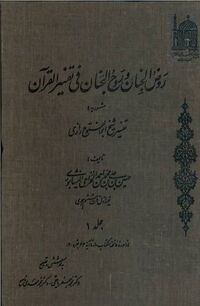
Muhammad b. Ali Sahib al-Taq

In examining the rich tapestry of Shia Islam, one resonates profoundly with the persona of Muhammad b. Ali, known as Sahib al-Taq, or the Master of Piety. This venerated figure embodies a significant confluence of piety, knowledge, and resilience, serving as a paragon of integrity and devotion within the Islamic narrative. His teachings and legacy […]

Read More →

Imam Seyyed al-Sajedeen

The figure of Imam Seyyed al-Sajedeen, also known as Imam Zain al-Abidin, occupies a pivotal role in the tapestry of Shia theology and spirituality. His life and teachings serve as a beacon for the faithful, illuminating the path of resilience, devotion, and ethical rectitude. As the fourth Imam in the lineage of the Prophet Muhammad, […]

Read More →

Event of the Khum Pond

In the rich tapestry of Shia Islam, the event of the Khum Pond holds a significant and multifaceted place, emblematic of the community’s theological structure and leadership. This pivotal moment, which transpired shortly after the passing of the Prophet Muhammad, has been interpreted through a myriad of perspectives, each reflecting deep-rooted beliefs about divine appointment […]

Read More →

9 April

On the 9th of April, the Shia community reflects on a number of critical themes and teachings that are integral to their faith. This date serves as a reminder of historical events, religious practices, and the theological underpinnings that have shaped Shia Islam over the centuries. This article will explore the numerous dimensions of Shia […]

Read More →

Day of Mutual Meeting

The “Day of Mutual Meeting,” or “Yawm al-Mithaq,” represents a pivotal aspect of Shia Islam, encapsulating the theological, ethical, and spiritual essence of the faith. This concept invites believers to consider profound questions about their existence, purpose, and the interconnectedness of humanity. Have you ever pondered the significance of your actions in the broader cosmic […]

Read More →

Pond of Khumm

The Pond of Khumm, known as Ghadir Khumm in Arabic, holds significant religious importance within Shia Islam. It is a geographical site and a pivotal event that encapsulates the essence of Shia beliefs regarding leadership and divine appointment. This article delves into the historical context, theological implications, and the ongoing relevance of Khumm in contemporary […]

Read More →

Abu Jarir al-Qummi

Deeply intertwined within the complex tapestry of Shia Islam, the contributions of Abu Jarir al-Qummi—an eminent figure in the realm of hadith and theological discussions—emerge as a beacon illuminating the paths of understanding and spirituality. Al-Qummi’s jurisprudential and exegetical works, coupled with his profound devotion to the teachings of the Ahl al-Bayt, reflect both the […]

Read More →

Layla bt. Abi Murra al-Thaqafi

In the rich tapestry of Islamic history, prominent figures often cast long shadows over subsequent generations. One such distinguished figure is Layla bint Abi Murrah al-Thaqafi, whose life and legacy provide intriguing perspectives on the role of women in Shia Islam. Can we truly appreciate the complexities of her contributions without considering the socio-political context […]

Read More →

The most fatal tragedy in Hajj

The pilgrimage of Hajj, an obligatory religious duty for Muslims, holds profound spiritual significance, encapsulating a convergence of devotion, worship, and communal identity. However, intertwined with this sacred rite are instances of profound tragedy that have captured the attention of scholars and believers alike, especially among Shia communities. The tragic events associated with Hajj often […]

Read More →

Qesas al-ulama

In the rich tapestry of Islamic tradition, the Shia perspective on the teachings of the ulama is both profound and intricate. Central to this exploration is the concept of “Qesas al-ulama,” which translates to the “retribution of scholars.” This term embodies the idea that those who have dedicated their lives to the pursuit and dissemination […]

Read More →