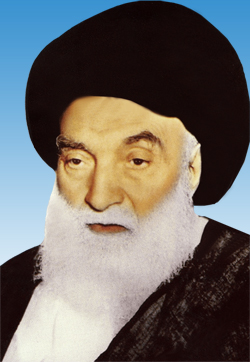
Imam Hadi

Imam Hadi, also known as Imam Ali al-Hadi or Imam al-Naqi, holds a preeminent position within the Shia Islamic tradition as the tenth Imam in the line of succession from Prophet Muhammad. His life and teachings are characterized by an opulent tapestry of theological principles, ethical guidance, and practical wisdom. This article delineates the multifaceted […]

Read More →

Itmam al nima fi al ghayba

The Shia belief in the concept of Imamat, particularly articulated through the principle of Itmam al-Nima fi al-Ghayba (the completion of divine grace in occultation), constitutes a profound thematic pillar within the theological edifice of Shia Islam. This doctrine serves not merely as a focal point of eschatology but as a robust framework that elucidates […]

Read More →

Masjid Al Kufa

Masjid Al Kufa, a pivotal edifice in the Islamic world, epitomizes the profound nexus between faith and history, particularly within the Shia sect. This mosque is not merely a place of worship; it stands as a monument to spiritual devotion, a locus of significant events, and a testament to the rich tapestry of Islamic heritage. […]

Read More →

Sayyid Amad Khomein

Shia Islam, with its rich tapestry of spiritual and theological discourse, has significantly shaped the socio-religious landscape of the Muslim world. Among its luminaries, Sayyid Ahmad Khomeini, an eminent figure in the 20th century, offers profound insights that venture beyond mere religious observance. Born into the Khomeini family, he was the son of Sayyid Ruhollah […]

Read More →

Juhfah

Juhfah, a significant location within the context of Islamic pilgrimage, particularly for Shia Muslims, emerges as a bastion of faith and tradition. Nestled geographically between the sacred cities of Medina and Mecca, Juhfah possesses a rich history that enchants the hearts of pilgrims and scholars alike. While many may regard it simply as a waypoint, […]

Read More →

Surah al-Bayyina

Surah al-Bayyina, a concise yet profound chapter of the Holy Quran, occupies a significant position in Shia theology and spiritual practice. Spanning just eight verses, this surah succinctly encapsulates the essence of faith, divine signs, and the ultimate accountability of human beings. Within this exploration, we shall delve into the multifaceted aspects of Surah al-Bayyina, […]

Read More →

8 Jumada al-thani

The date 8 Jumada al-Thani holds significant relevance in Shia Islam, echoing an intricate tapestry of historical narratives and profound theological insights. This occasion is not merely marked by calendar notation; rather, it represents a confluence of remembrance, spirituality, and the collective identity of Shia adherents. Exploring this date necessitates a multifaceted approach, addressing its […]

Read More →

Abu Tufail Kinani

In exploring the vast landscape of Shia teachings, a prominent figure emerges in the form of Abu Tufail Kinani. His contributions to Islamic thought and history warrant a meticulous examination, particularly within the framework of Shia beliefs. This article seeks to elucidate the life, significance, and teachings of Abu Tufail Kinani while also inviting a […]

Read More →

Khawarij

The Khawarij, a sect that emerged during the tumultuous early Islamic period, remain a topic of profound interest within Shia teachings. Their historical context and theological implications continue to resonate with contemporary discourses, prompting inquiries into their enduring legacy. This comprehensive exploration will delve into the origins of the Khawarij, their doctrinal beliefs, and their […]

Read More →

Abu Turab

In the intricate tapestry of Shia Islam, the figure of Abu Turab—a moniker attributed to Imam Ali ibn Abi Talib—emerges as a profound embodiment of spiritual resilience and existential contemplation. The term “Abu Turab,” meaning “father of dust,” encapsulates a metaphor that resonates deeply within the Shia consciousness, serving as a poignant reminder of humility, […]

Read More →